

Understanding the Connection Between Your Menstrual Cycle and the Lunar Phases
- angelcreations144
- Mar 2
- 4 min read
The idea that the menstrual cycle aligns with the moon’s phases has fascinated many for centuries. When your period cycle coincides with the full moon or a lunar eclipse, it can feel like a powerful, almost mystical experience. But is there a real connection between the moon’s phases and your body’s natural rhythms? This post explores the science, cultural beliefs, and practical insights about how your menstrual cycle might relate to the lunar calendar.

How the Menstrual Cycle Works
The menstrual cycle is a complex biological process controlled by hormones. It typically lasts about 28 days but can range from 21 to 35 days in healthy individuals. The cycle includes several phases:
Menstrual phase: Shedding of the uterine lining, resulting in bleeding.
Follicular phase: The body prepares an egg for release.
Ovulation: The egg is released from the ovary.
Luteal phase: The body prepares for a possible pregnancy.
This cycle is regulated by hormones like estrogen and progesterone, which fluctuate throughout the month.
The Lunar Cycle and Its Phases
The lunar cycle lasts about 29.5 days and includes four main phases:
New moon: The moon is not visible from Earth.
Waxing moon: The moon grows from new to full.
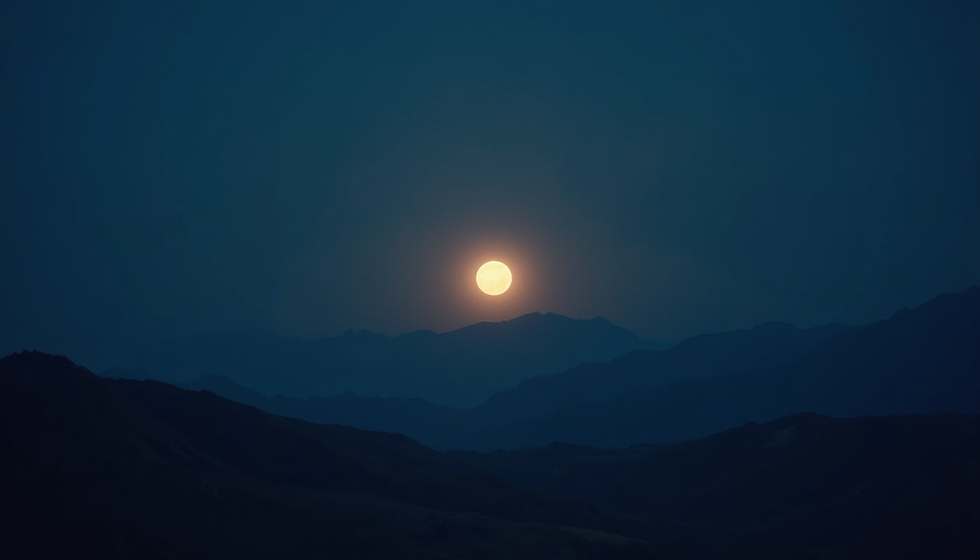
Full moon: The moon is fully illuminated.
Waning moon: The moon shrinks back to new.
Because the lunar cycle is close in length to the average menstrual cycle, many people wonder if the two are connected.
Historical and Cultural Perspectives
Many ancient cultures observed a link between the moon and menstruation. Some believed that women’s cycles were naturally synced to the moon’s phases, especially the full moon. This connection was often seen as a symbol of fertility and renewal.
For example:
In some Indigenous cultures, the full moon was called the “moon of women” or “moon of fertility.”
Traditional Chinese medicine sometimes aligns menstrual health with lunar energy.
Folklore in various parts of the world associates the full moon with heightened emotions and physical changes.
These beliefs reflect a long-standing human interest in the rhythms of nature and the body.
Scientific Research on Menstrual and Lunar Cycles
Modern science has explored whether menstrual cycles truly align with lunar phases. Studies show mixed results:
Some research finds a slight tendency for menstruation to start around the full moon or new moon.
Other studies find no significant correlation between the two cycles.
Variations in cycle length and individual differences make it hard to establish a clear pattern.
One study published in 2013 found that about 30% of women had menstrual cycles that aligned with the lunar cycle, but this was not consistent across all participants.
What Happens When Your Period Aligns with the Full Moon or Lunar Eclipse
When your period coincides with the full moon or a lunar eclipse, you might notice:
Heightened emotions: Some people report feeling more emotional or sensitive.
Increased energy or restlessness: The full moon is often linked to bursts of energy.
A sense of connection: Experiencing your cycle with the moon can feel grounding or spiritual.
These experiences vary widely and may be influenced by personal beliefs and awareness.
Practical Tips for Tracking Your Cycle with the Moon
If you want to explore the connection between your menstrual cycle and lunar phases, try these steps:
Track your cycle and the moon phases: Use a calendar or app to note when your period starts and the moon’s phase.
Observe patterns over several months: Look for any alignment or shifts.
Journal your physical and emotional symptoms: Note how you feel during different moon phases.
Adjust self-care routines: If you notice changes, tailor your activities to support your wellbeing during full moons or eclipses.
This practice can increase your body awareness and help you feel more in tune with natural rhythms.
The Role of Lunar Eclipses
Lunar eclipses are rare events when the Earth blocks the sun’s light from reaching the moon. They are often seen as moments of transformation or release in spiritual traditions.
If your period falls during a lunar eclipse, you might experience:
A feeling of emotional intensity or release.
A symbolic sense of letting go or new beginnings.
Heightened intuition or reflection.
While these effects are subjective, many find eclipses powerful times for personal growth.
Understanding Variability and Individual Differences
Not everyone’s menstrual cycle will align with the moon. Factors that influence your cycle include:
Age and hormonal changes
Stress and lifestyle
Health conditions
Use of hormonal birth control
Your cycle’s length and regularity may not match the lunar calendar, and that is perfectly normal.
How to Use This Knowledge in Your Life
Whether or not your cycle aligns with the moon, paying attention to natural rhythms can benefit your health:
Plan activities around your energy levels: Use the waxing moon for starting new projects and the waning moon for rest.
Practice mindfulness during full moons or eclipses: Reflect on your goals and emotions.
Respect your body’s signals: Notice when you need rest or activity.
This approach supports a balanced lifestyle and deeper self-understanding.

Comments